Construction evidence
Photographs from the supervised build.
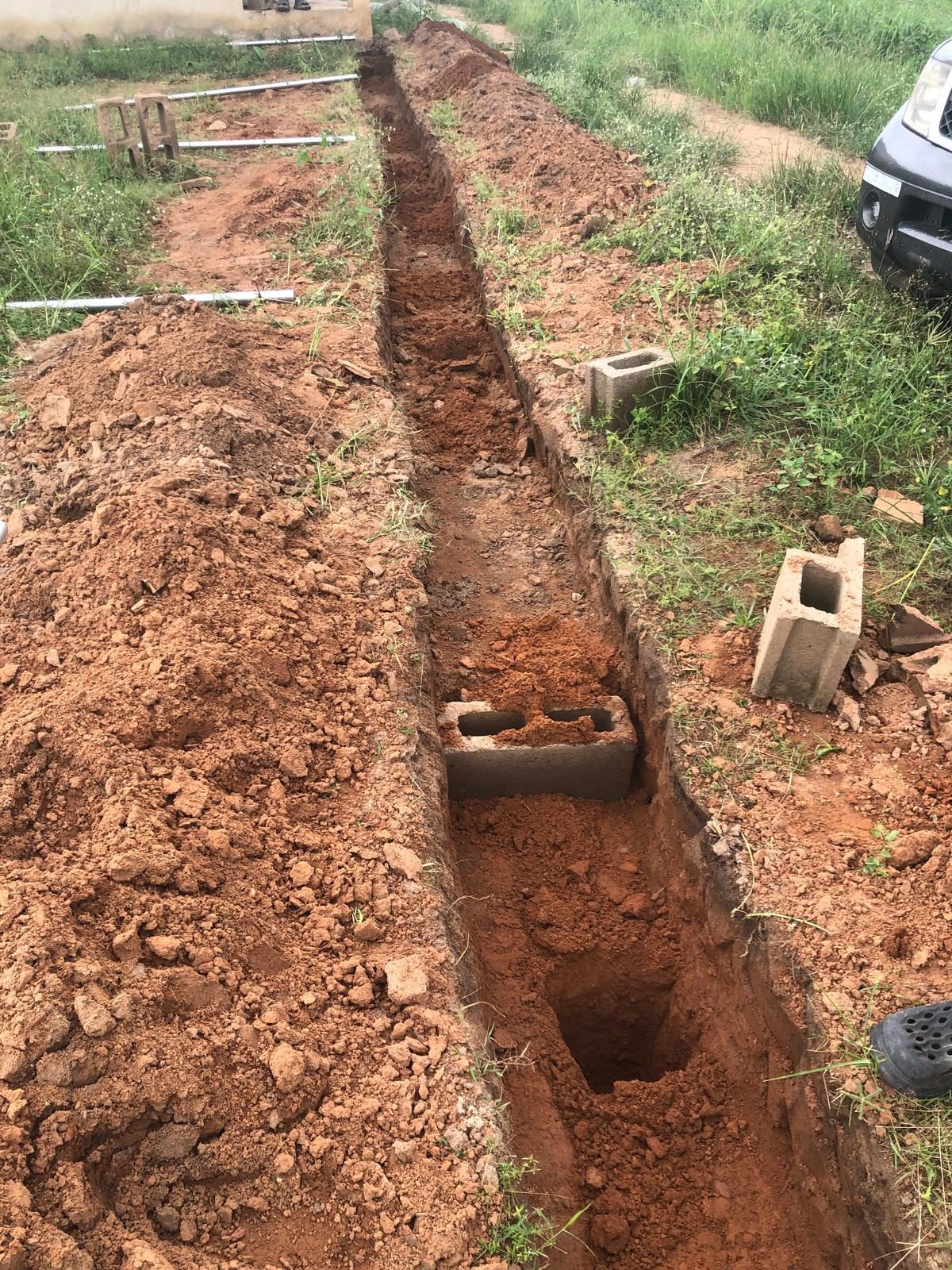
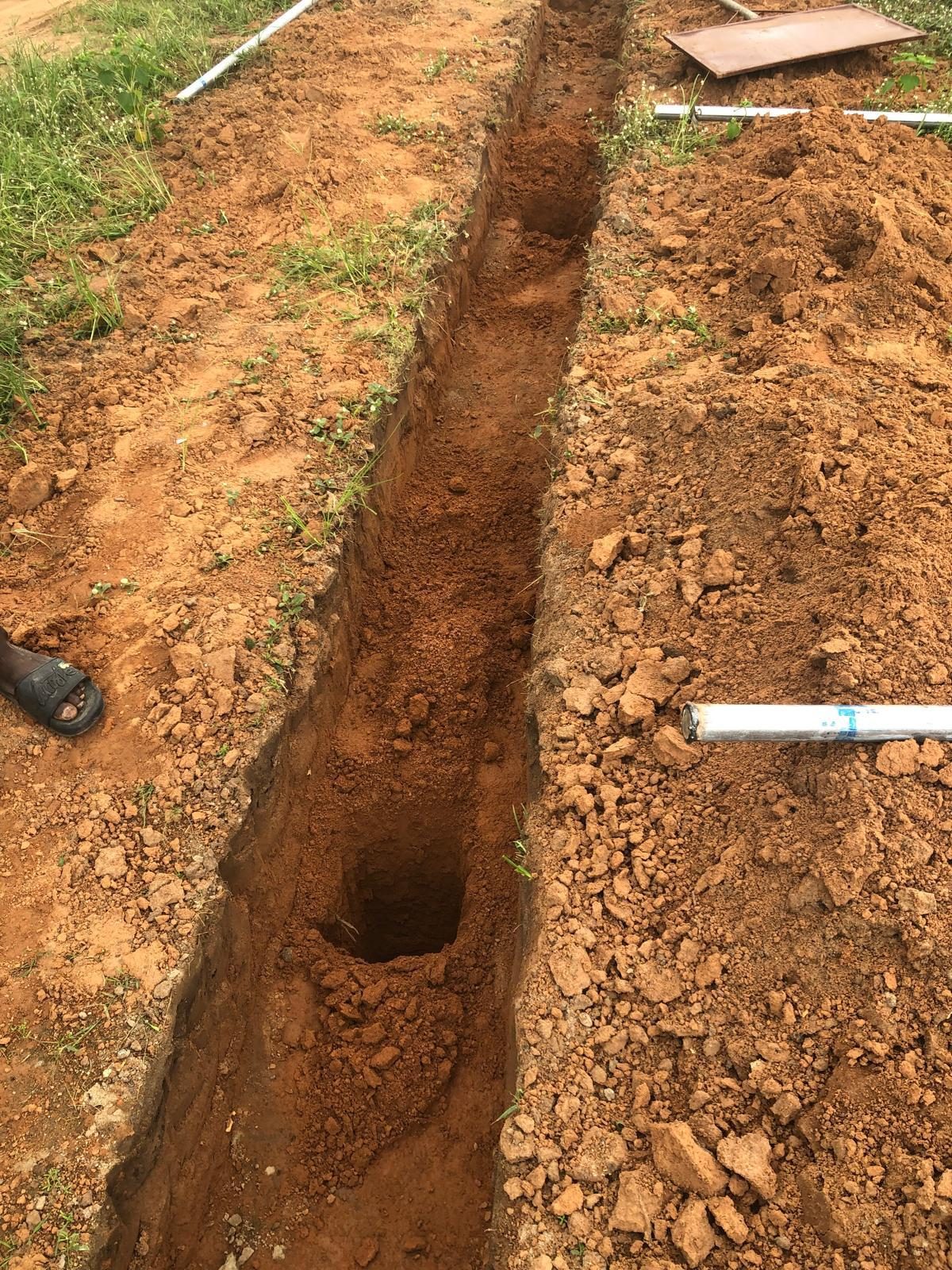
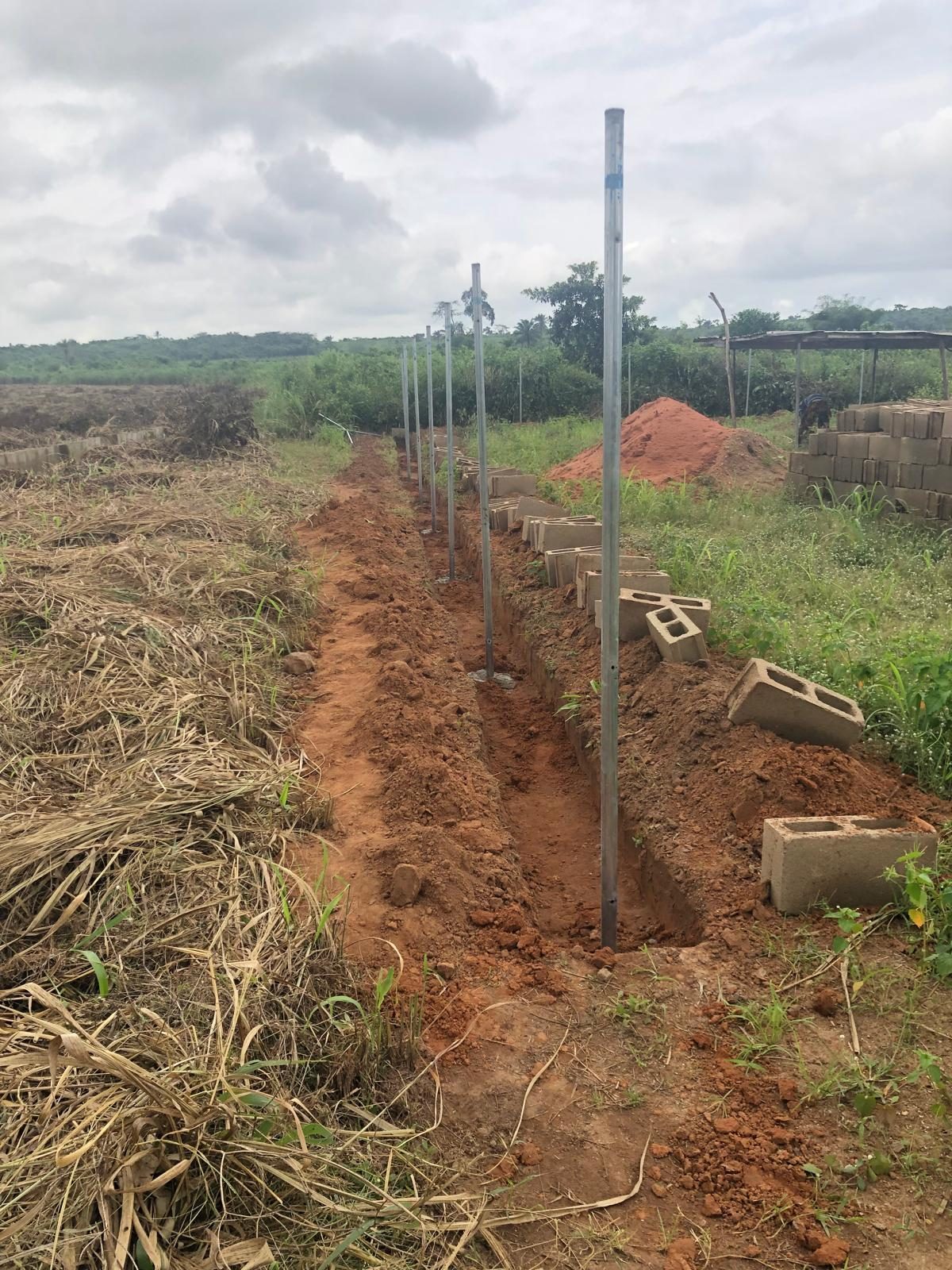
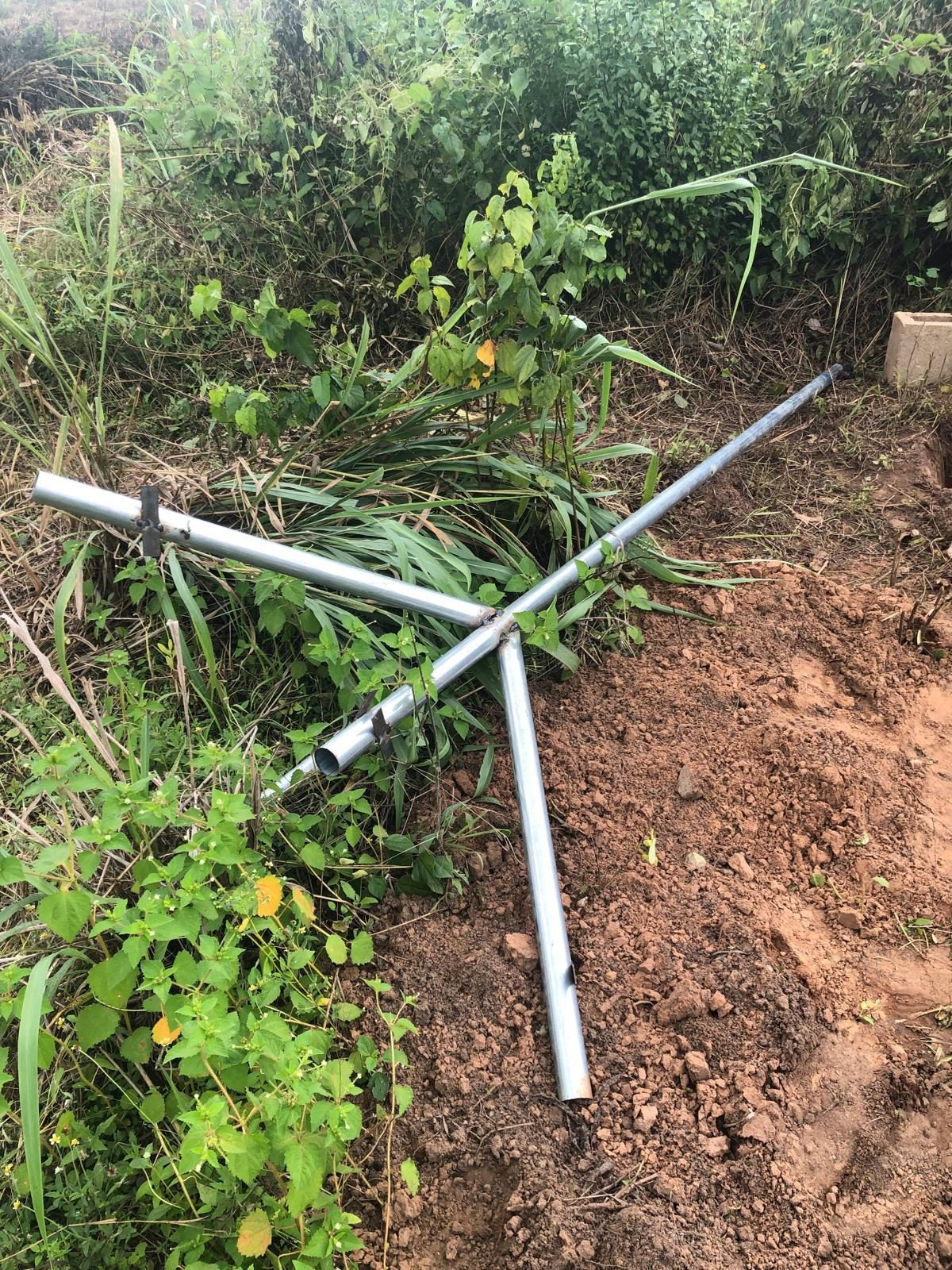
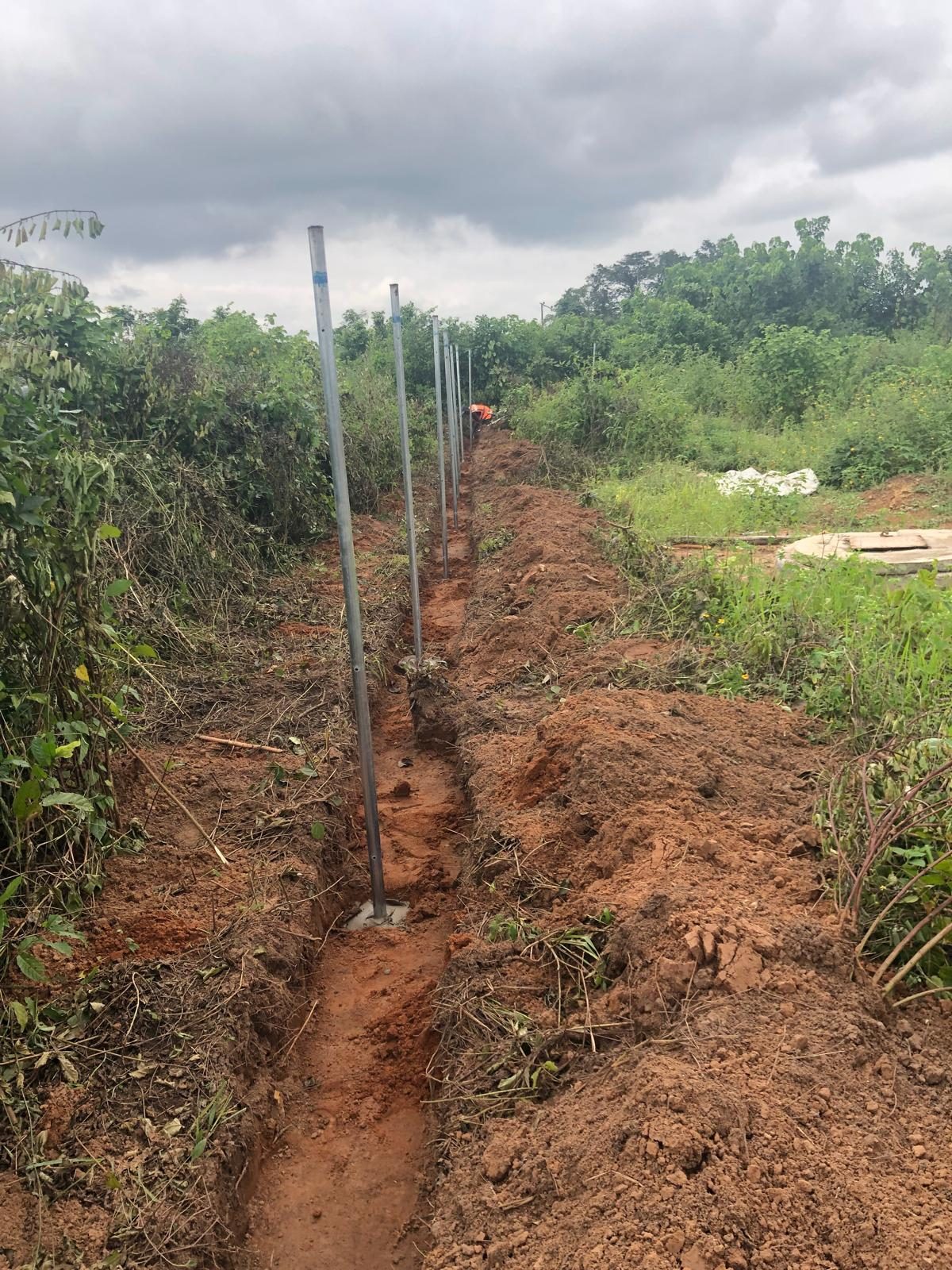
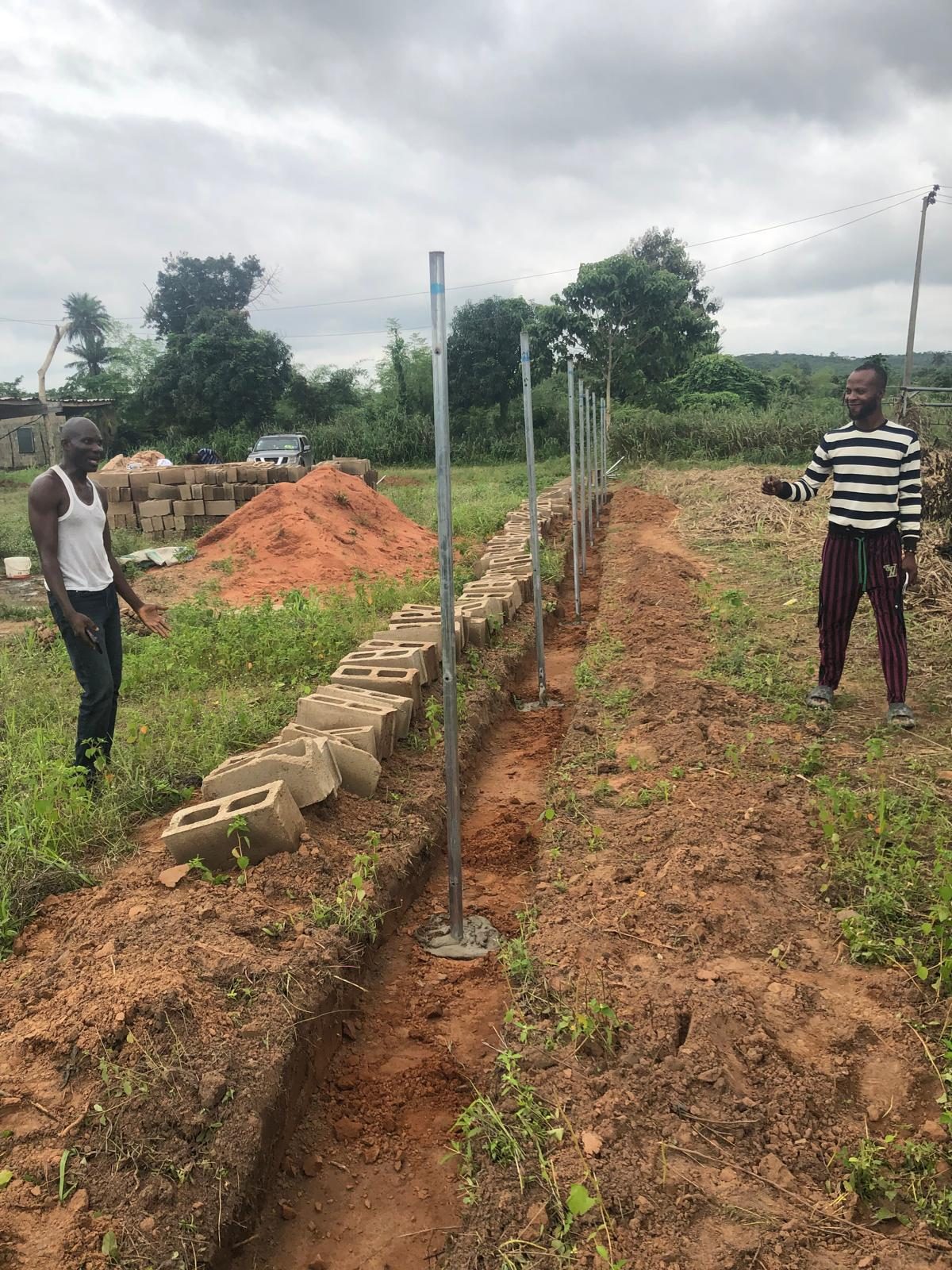
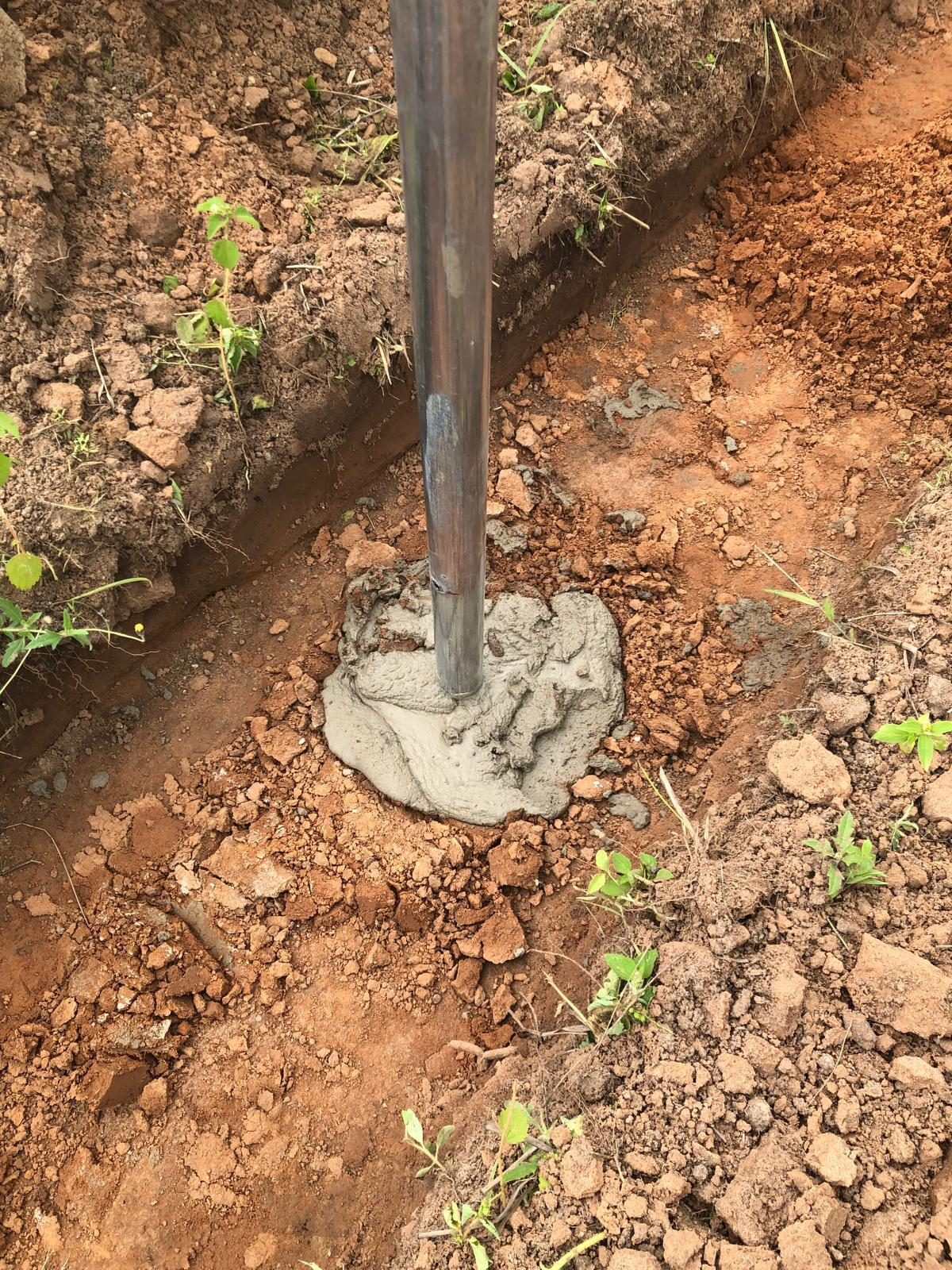
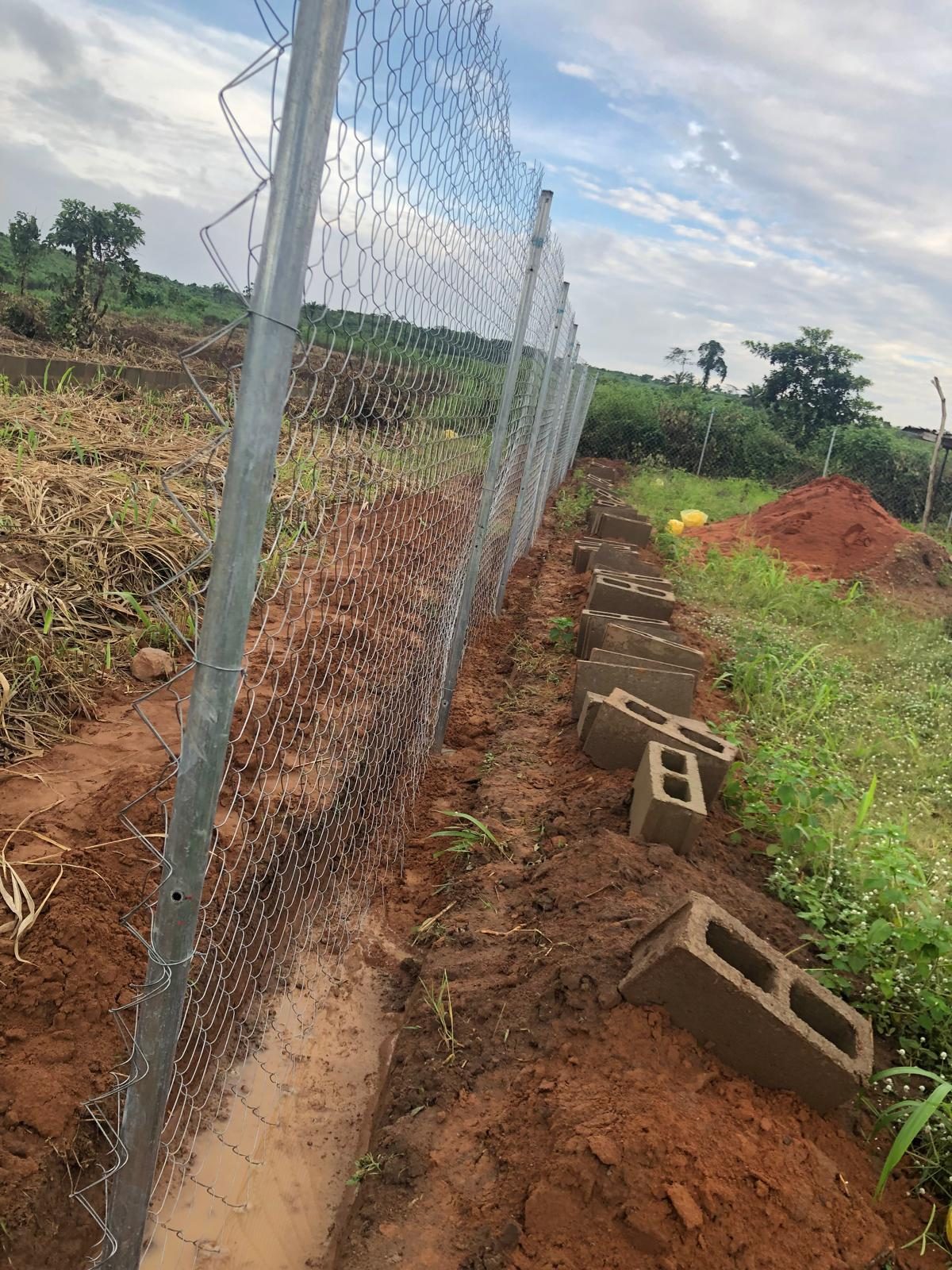
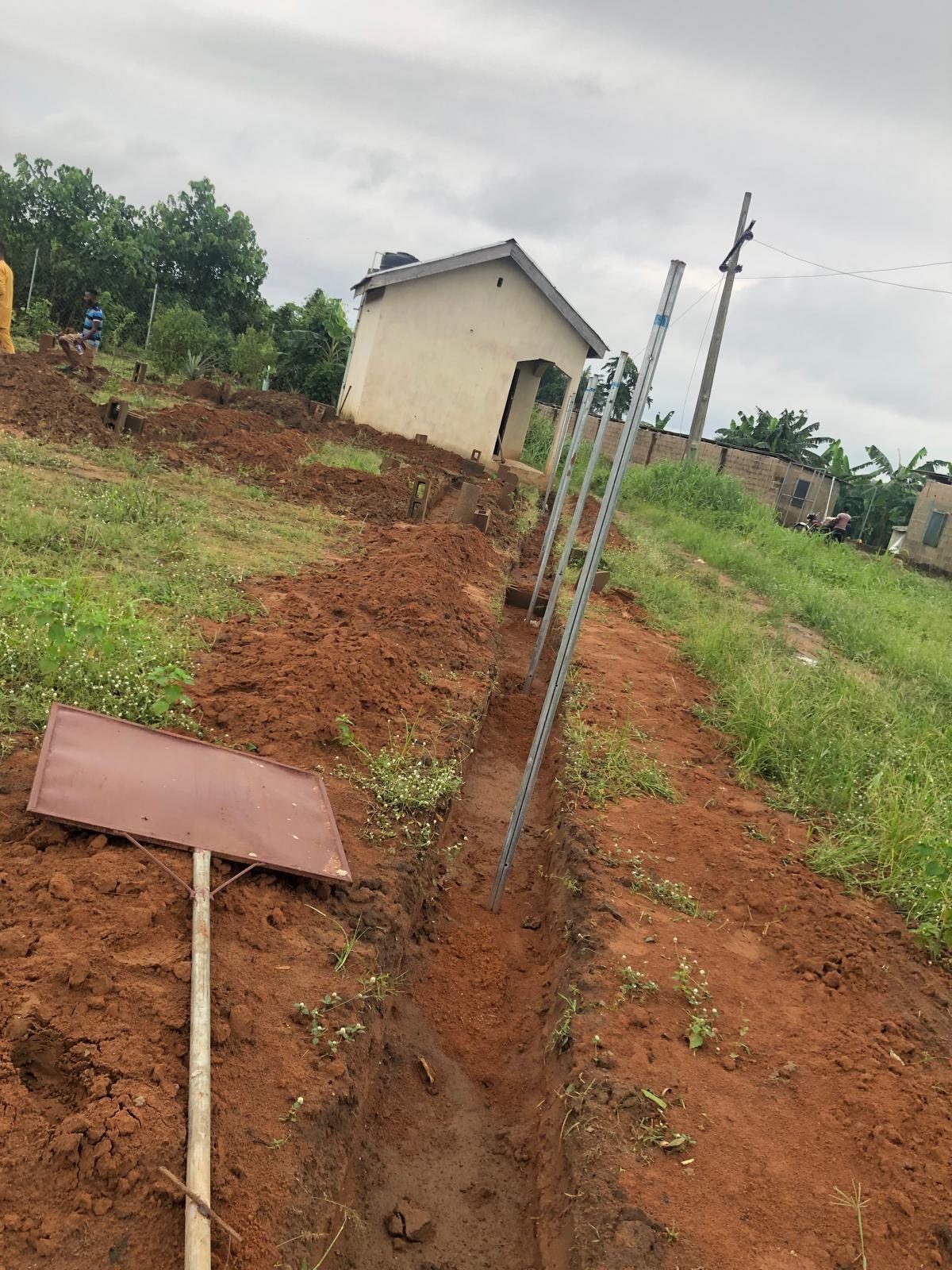
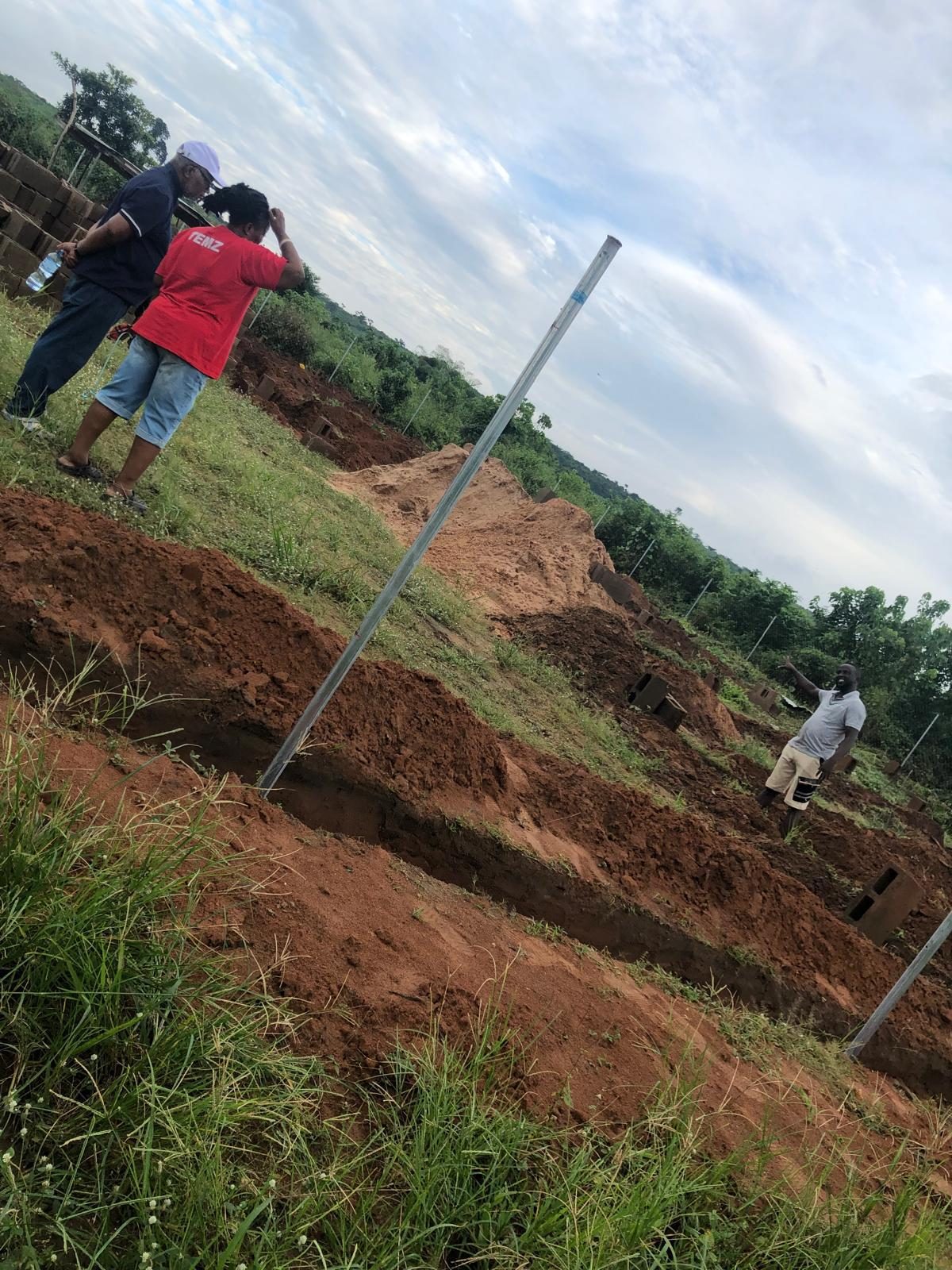
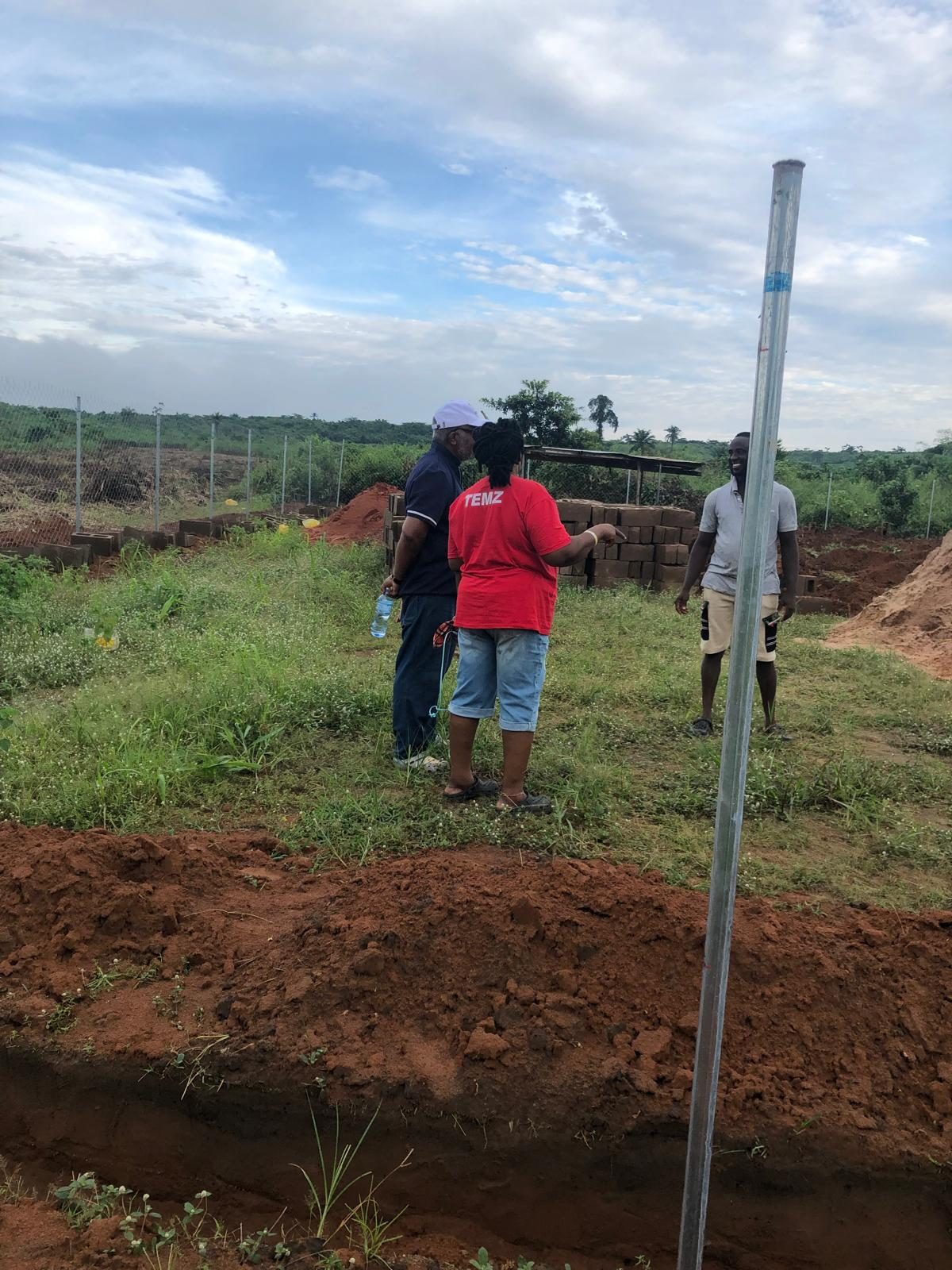
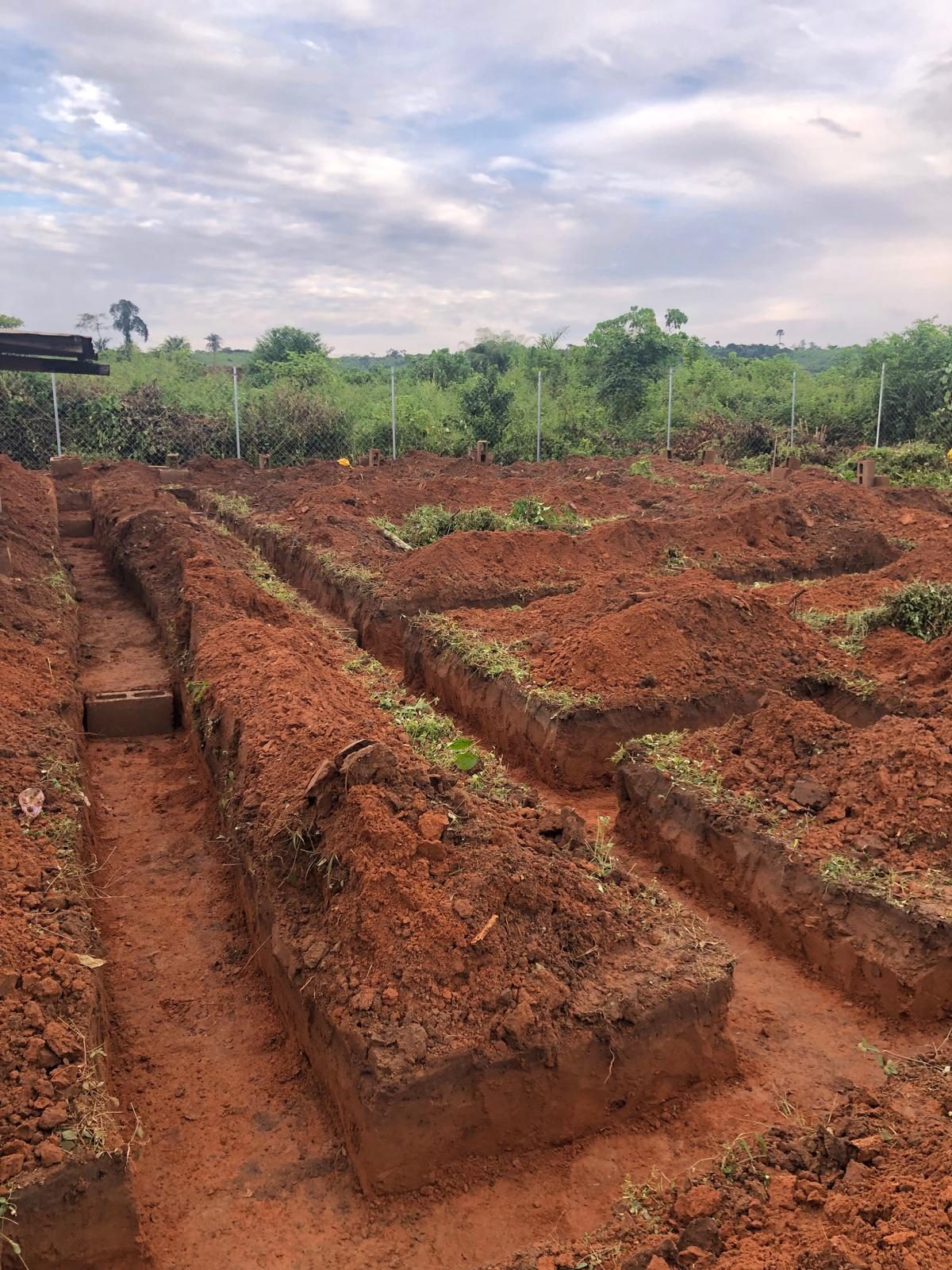
How we built it, what we learned, and how we would build it better today. A real Excell Africa Farms construction case study turned into a repeatable farm-security system.
Can a farmer secure roughly 255 metres of perimeter by spending intelligently on the parts that actually carry structural and security value?
By the end, you should be able to measure a boundary, choose a fence type, schedule posts and strain points, produce a BOQ, compare supplier quotations and decide where cameras or lighting create more value than additional steel.
Convert plot dimensions into the real linear metres of perimeter that drive cost.
Separate mesh, posts, concrete, gate, labour, transport and security upgrades.
Use the original Excell Africa Farms build as evidence, then value-engineer the next version.
Area is not perimeter. Learn to calculate the actual linear metres you must fence and why irregular plots can cost more than square ones of the same acreage.
Compare chain-link, welded mesh, poultry mesh, living fences and hybrids by purpose: boundary definition, livestock containment, theft deterrence and cost.
Put strength into corners, terminals and gates. Standardise intermediate posts. Use concrete where it creates measurable value.
Translate perimeter into mesh, posts, braces, concrete, tension wire, gate, fabrication, transport and labour. Compare retail buying with bulk/local fabrication.
Add solar lighting, cameras, gate monitoring and motion detection. The fence delays; the technology detects.
The critical engineering question is not “How can we make every post stronger?” It is “Which posts actually carry the load?” Corner, gate and terminal assemblies deserve the money first.
Approximate perimeter of a square one-acre plot.
A reasonable planning range for intermediate spacing, subject to mesh, wind and site conditions.
Physical barrier + visibility + detection, rather than trying to turn mesh into a fortress.
Use current supplier quotations rather than treating old prices as fixed.